www.californiadroughtupdate.org/20210812-California-Water-and-Infrastructure-Report.pdf?_t=1628869901
In our U.S., California is the largest producer of food despite having less than 4% of the farms in the country. California alone is the world’s fifth largest supplier of food, cotton fiber, and other agricultural commodities, including dairy products. This is thanks to our technologically proud farmers and a legacy of water works, including major capabilities for irrigation use.
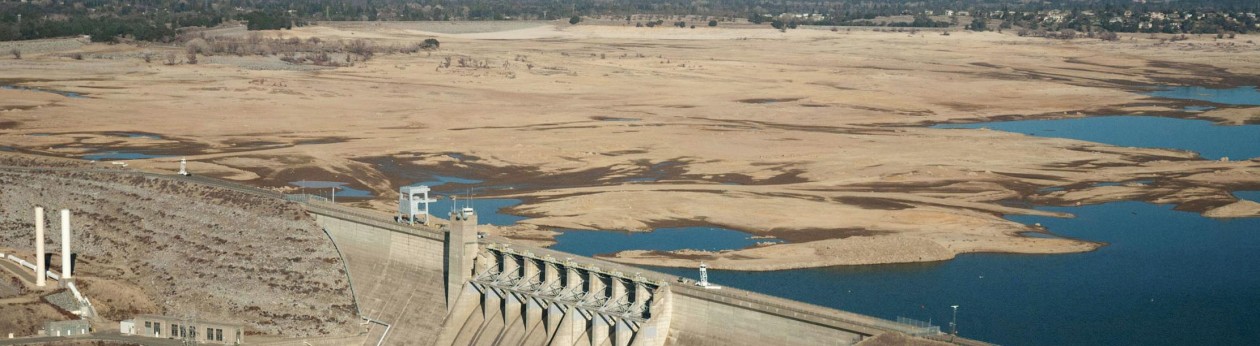
But on August 3rd, California regulators cut off thousands of farmers from their main irrigation source, voting to ban them from pulling water from the state’s main rivers and streams as the drought worsens. The emergency curtailment order essentially covers the entire Central Valley, the epicenter of California agriculture.
From “The Western Drought is a National Crisis Demanding a National Solution”
My introduction this week is brief.
Our first item is the U.S. Drought Monitor for the Western states and California. Of course, the maps show the continuing greater intensity of the megadrought throughout the West.
I think the most important item this week is the article, “The Western Drought is a National Crisis Demanding a National Solution,” by my colleagues Michael Carr and Brian Lance. The article importantly, provides a series of policies to immediately address the drought, and so that is the next item.
Following that is a link to a video presentation by another of my colleagues, Ben Deniston: “Defeating the Drought: Control Climate Change, Don’t Surrender to It.”
The rest of the report begins with California’s cutting off of surface irrigation water to more than 7,500 farmers in the Sacramento/ San Jauquin watersheds, an unprecedented move that no California government has ever done.
Also covered is the reaction to that cut-off by farmers and elected officials, some of the elements of the disaster for electricity production, wells going dry, crops failing and being torn out, grasshoppers in some states eating the foliage to the ground, and generally the state government failing, to not only not have planned for this disaster, but by its policies, to have facilitated it.
A separate section will cover the wildfires that are now far surpassing the number of fires and acreage burned than the record year of 2020.
The report will conclude with an update on the Recall Governor Newsom campaign.