www.californiadroughtupdate.org/20210729-California-Water-and-Infrastructure-Report.pdf?_t=1627670273
“Most farmers and ranchers understand that we didn’t get much snowpack and precipitation this year, and that means reduced water availability in a lot of places. What is unprecedented is the thought that agricultural water use should, in times of scarcity, be labeled an “unreasonable use” of water.”
From: “Commentary: Growing food is essential, reasonable use of water” on page 11, below.
A Note To Readers
Drought in the West has intensified this past week, despite a Monsoon deluge in some areas of Colorado, Nevada and New Mexico, Utah and Nevada. In California, for example, as you will see in the U.S. Drought Monitor below, the portion of the state in Exceptional Drought increased from 32% last week to 49% this week.
Following the Drought Monitor is an article that provides a brief education on what a megadrought is and why the researchers who authored the article are calling the present drought such a megadrought.
Next is a summary of the wildfires now scorching the West. This fire year threatens to be worse than last year when 10.6 million acres burned. For California it is the same, as this year’s acreage is 257% larger than last years at this time. At this time last year 106,946 acres had burned. This year it is 382,629 acres.
Lake Mead and Lake Powell on the Colorado River are at record low levels of water and falling fast. The Bureau of Reclamation is expected to declare a state of emergency next month and that will be the first level, with Arizona losing 20% of its allocation next year. If the water level continues to fall then all the other states and Mexico will experience cuts in their allocations. Electricity generation from the two dams has already declined by about 20%, and will continue to decline as the water level falls.
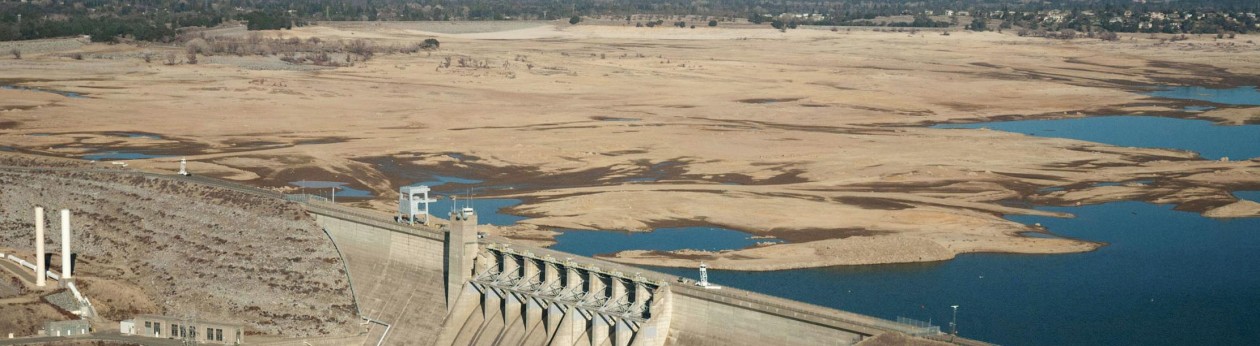
Oroville Dam, too, is reaching a record low level and it is expected that electricity generation from its power plant will be completely turned off by August or September.
More drastic cut-offs of water to California agriculture have been announced, on top of the zero deliveries of water to water contractors announced by both the Central Valley Project and the State Water Project. The new announcements are aimed at those farmers who directly tap into the rivers and streams of the state.
The farmer’s response is to highlight the idea that growing food is not a non-essential use of water, as the bureaucrats in Sacramento have said when deciding what interests to cut as water supplies continue to evaporate.
It is not only those from the Water Resources Board that withhold water, but thieves are stealing millions of gallons of water, mainly for illegal marijuana growing.
A second large desalination plant has almost passed all the regulatory hurdles and construction of a new plant in Huntington Beach will probably begin next year. This one will be a twin of the plant at Carlsbad, which began producing 50 million gallons of water per day in 2015, providing about 10% of the water consumed in San Diego County.
Concluding this report is the Feature: “The Recall Newsom campaign is rolling along.”