by Patrick Ruckert
www.californiadroughtupdate.org/20211202-California-Water-and-Infrastructure-Report.pdf?_t=1638506913
“Scientists from MIT and Stanford issued a report outlining a strategy for retrofitting the Diablo Canyon nuclear power plant in California to add revenue streams, like desalinating ocean water and producing clean hydrogen.
“Under the plan, if Diablo Canyon were kept open through 2050, it could save $21 billion in energy grid costs and 90,000 acres of land that would otherwise need to be covered in photovoltaic solar panels to meet California’s climate goals.
“PG&E, the owner of Diablo Canyon, told CNBC that while it is aware of the MIT and Stanford study, it is not reconsidering its decision to shutter the nuclear plant. However, report authors think another utility company could take over ownership of the plant.”
From the last item in this report: “Why California should reconsider shutting down its last nuclear plant, scientists say.”
A Note to Readers
Drought shall continue throughout the southwest, reports most forecasts, for the coming winter.
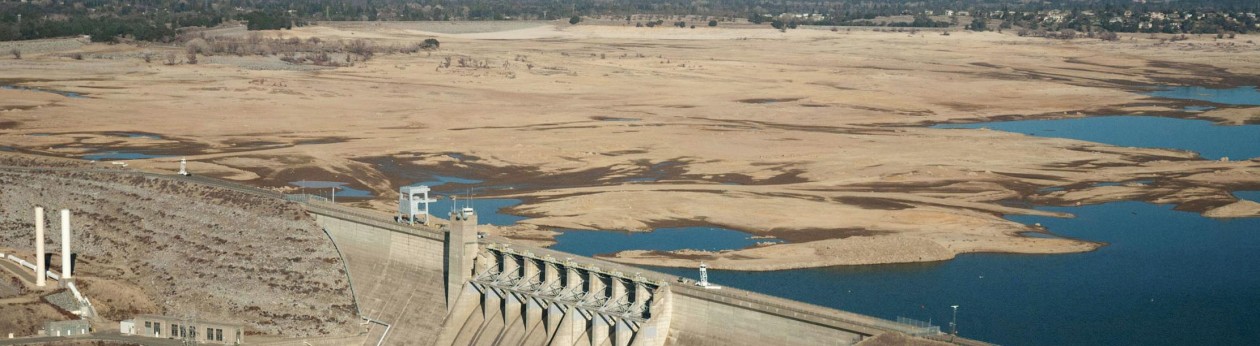
After the “storm cyclone” of late October dumped record rainfall on northern California, November has been very dry. San Francisco, for example, for the first time in its history, had zero rain last month. Lake Shasta, before that October storm was down to 25% of capacity, and rose to 28% of capacity after it, is now back down to 25%.
Things are even worse on the Colorado River. The Rocky Mountains, where snow-fall provides much of the river’s water, is looking at bare dirt, when at this time of the year they should be covered with snow. Denver has had no snow yet, breaking the record for the lateness of the first snow.
California, Nevada, and Arizona have come to an agreement to not use about 500,000 acre feet of Lake Mead each year for the next five years. That, it is hoped, will avoid even larger rationing as the reservoir level continues to decline. You may recall that a Tier 1 emergency was declared on the river about two months ago, which will immediately impact Arizona, which will lose 20% of its normal allocation beginning in January, 2022.
The U.S. Drought Monitor shows no changes from last week, with most of the southwest remaining in “Extreme” or “Exceptional” drought.
The War on Agriculture by the government of California has escalated in recent weeks. The Biden administration has joined California in voiding the voluntary agreement with farmers in the San Joaquin Valley for regulating the level of flows of the valley’s rivers. What is feared is that farmers will even more drastically have their water supply cut.
Then the Department of Water Resources this week announced a virtual death knell for California agriculture: There will be 0% allocation of water to water districts from the State Water Project.
If those in the cities think rationing of water will not affect them, well this week the Water Board announced that it will soon vote on imposing mandatory statewide water restrictions.
The realization that the California law that mandates that by 2045 all electricity production in the state be carbon neutral will produce even bigger disaster than the periodic black outs already being experienced in the state, has finally got some push back. A flurry of articles, studies, and editorials are demanding that the plant be kept open to continue to provide the 10% of the state’s electricity that it now does.